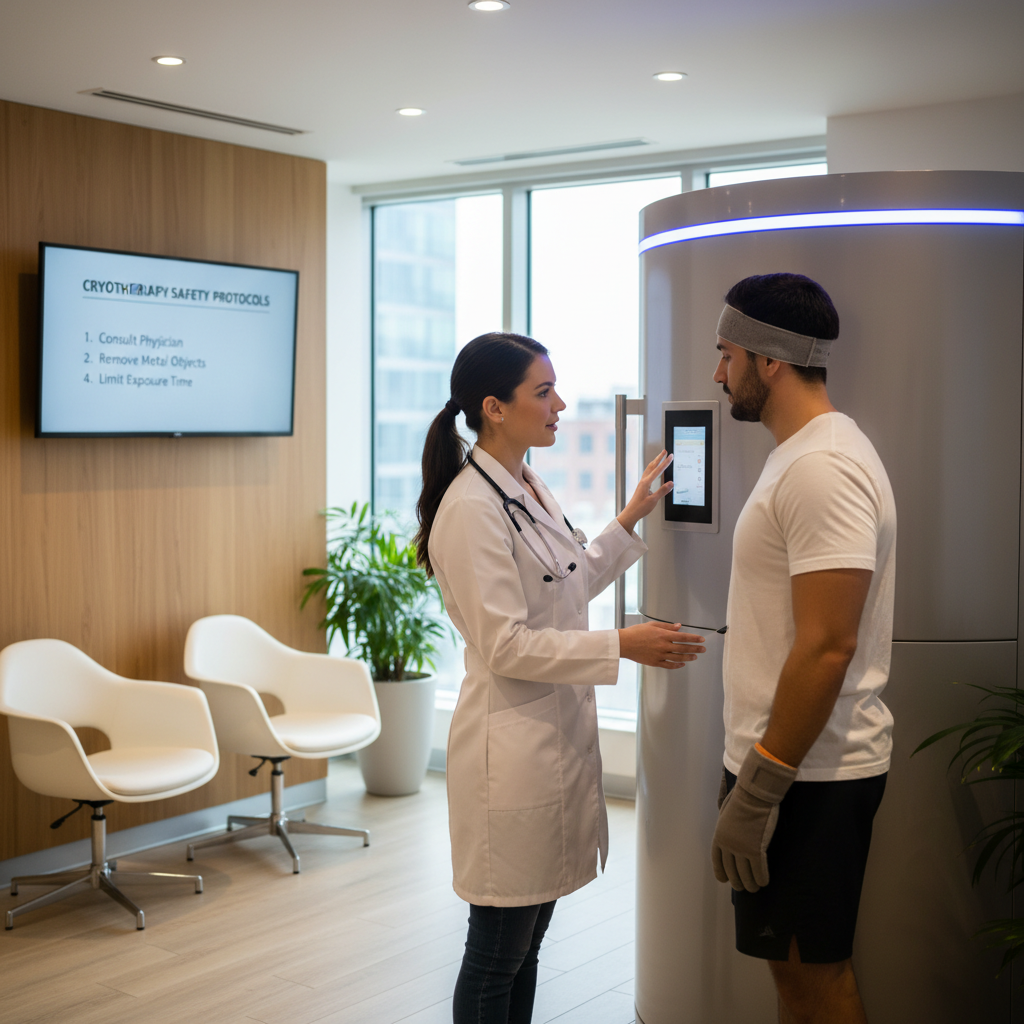
As cryotherapy continues to expand across California, safety questions are increasingly important. Is it safe? What does the science say? What should you know before stepping into a cryotherapy chamber? Understanding the safety profile—both from research and regulatory perspectives—helps you make an informed decision about whether cryotherapy is appropriate for your health and wellness goals.
FDA Status and Regulatory Framework
A crucial point to understand: the FDA has not approved whole-body cryotherapy (WBC) as a medical treatment. This doesn't mean it's unsafe; rather, it reflects the regulatory reality that cryotherapy exists in a gray zone between medical device and wellness amenity.
The FDA classifies whole-body cryotherapy chambers as medical devices, requiring proper labeling and compliance with medical device regulations. However, when facilities market cryo as a wellness/recovery tool rather than a medical treatment, regulatory oversight becomes lighter.
In California specifically:
- Facilities must comply with FDA device regulations
- Healthcare practitioners can recommend cryo (though not prescribe)
- Facilities cannot legally claim cryo "treats" or "cures" medical conditions
- Marketing must differentiate between wellness applications and unproven medical claims
This regulatory framework means you should be cautious of facilities making extraordinary medical claims. Legitimate operators discuss safety, contraindications, and acknowledge that cryo is a wellness/recovery enhancement, not a cure.
Clinical Research on Safety
While long-term, large-scale safety studies are limited (as cryotherapy is relatively new), existing research provides reassuring findings:
Short-Term Safety Profile
Studies examining acute cryotherapy sessions show:
- Minimal adverse events: Serious complications are extremely rare in published research
- Well-tolerated: Most users complete sessions without significant distress (though initial discomfort is expected)
- Vital signs stable: Heart rate, blood pressure, and oxygen saturation typically remain within normal ranges
- No cumulative toxicity: Multiple sessions don't show accumulated harmful effects
Medium-Term Studies
Research on athletes using cryotherapy 2-3 times weekly for months shows:
- No significant changes in immunity markers
- Normal recovery trajectories
- No increased injury rates
- Maintained athletic performance
These findings suggest cryo doesn't create dependency or deteriorating effects with regular use.
Common Side Effects
Most cryotherapy side effects are minor and temporary. Understanding what to expect helps you distinguish between normal responses and warning signs:
Very Common Side Effects (occur in 10-30% of users)
Dizziness or lightheadedness: Some users experience mild dizziness immediately after exiting the chamber. This typically resolves within minutes as body temperature normalizes.
Slight numbness or tingling: Extremities may feel numb or tingly for 5-15 minutes post-session as blood vessels gradually dilate.
Skin flushing or redness: Rapid rewarming causes blood vessel dilation, creating temporary skin flushing. This resolves quickly.
Cold-induced discomfort: The session is uncomfortable by nature. Most users acclimate to discomfort after 2-3 sessions.
Less Common Side Effects (occur in 1-10% of users)
Headache: Some users report mild headaches following sessions, likely related to rapid blood pressure changes. Staying hydrated typically prevents this.
Frostbite-like symptoms: In very rare cases, extremely cold-sensitive users experience superficial frostbite-like sensations on exposed skin. This is preventable with proper facility protocols (protecting areas like genital tissue and hands).
Muscle soreness: Paradoxically, some users report temporary muscle soreness after cryo, though this is usually mild and short-lived.
Rare Side Effects (occur in less than 1% of users)
Severe dizziness or fainting: Very occasionally, rapid blood pressure changes trigger dizziness severe enough to require sitting. Fainting is extraordinarily rare.
Allergic reactions: Extremely rare, but some users may react to the nitrogen gas or cryogen (the substance creating the cold). Proper ventilation and screening prevent this.
Important Contraindications
Certain medical conditions make cryotherapy unsafe or inadvisable. Legitimate California facilities screen for these contraindications before allowing treatment.
Absolute Contraindications (Do Not Use)
Pregnancy: While no studies show harm, the risk-benefit profile doesn't support cryo during pregnancy. Hormonal changes and fetal development are best protected by avoiding experimental exposures.
Uncontrolled Hypertension: Cryotherapy can spike blood pressure temporarily. If your hypertension isn't well-managed, cryo poses increased cardiovascular risk.
Severe Coronary Artery Disease: The cardiovascular stress of extreme cold isn't appropriate for those with advanced CAD.
Recent Heart Attack or Stroke: Cardiovascular events mean your heart needs protection. Cryo's stress on the cardiovascular system isn't advisable during early recovery.
Uncontrolled Seizure Disorders: Temperature regulation plays roles in seizure thresholds. Cryo isn't recommended without medical clearance.
Relative Contraindications (Requires Medical Clearance)
Raynaud's Disease: This condition causes blood vessels to overreact to cold, restricting circulation. Cryotherapy can trigger severe symptoms. Some patients can safely use cryo with modifications and medical supervision; others should avoid it.
Diabetes (especially neuropathy): Cold sensation becomes harder to detect, increasing frostbite risk. Diabetic patients can often use cryo safely with proper precautions.
Kidney or Liver Disease: Impaired clearance of byproducts may complicate recovery. Medical clearance is essential.
Hypothyroidism: Cold exposure stresses the thyroid. Those with hypothyroidism should get medical clearance.
Severe Claustrophobia: Cryotherapy chambers are small. Severe anxiety could trigger panic responses.
Acute Illness or Fever: Your immune system is already stressed. Wait until recovery is complete.
Precautions for Specific Populations
Older Adults: Age alone isn't a contraindication, but older adults should have medical clearance given higher baseline cardiovascular disease risk.
Athletes on Specific Medications: Medications affecting blood pressure, heart rate, or temperature regulation warrant discussion with healthcare providers.
Recent Surgeries: Generally, wait 4-6 weeks post-surgery before cryotherapy unless cleared by your surgeon.
What to Look for in a Safe Facility
Safety extends beyond the chamber itself. Finding a well-operated facility significantly reduces your risk. Quality facilities demonstrate these characteristics:
Pre-Session Screening
Legitimate facilities require comprehensive pre-session questionnaires covering:
- Medical history and current conditions
- Current medications
- Recent surgeries or injuries
- Pregnancy or nursing status
- Cold sensitivity history
- Cardiovascular health assessment
If a facility doesn't ask these questions, that's a red flag. They should also allow time to discuss results and answer your concerns.
Equipment Standards
Safe facilities maintain:
- Properly maintained, certified cryotherapy equipment
- Regular equipment inspections and servicing
- Temperature monitoring and accurate controls
- Proper ventilation to prevent nitrogen buildup
- Emergency protocols and medical-grade equipment nearby
Staff Expertise
Quality facilities employ:
- Trained, certified cryotherapy technicians
- Staff who understand medical contraindications
- Personnel comfortable discussing safety concerns
- Ability to modify sessions for vulnerable populations
Informed Consent and Documentation
Professional facilities provide:
- Written informed consent documents explaining risks and benefits
- Clear documentation of your medical history
- Written safety protocols and post-session instructions
- Emergency contact procedures
Transparency About Claims
Safe, reputable facilities:
- Describe cryo as a wellness/recovery tool, not a medical cure
- Distinguish between proven benefits (inflammation reduction) and theoretical benefits (unproven claims)
- Recommend medical consultation for specific health conditions
- Avoid making FDA-prohibited medical claims
California's Regulatory Environment
California has some of the strictest wellness and health facility regulations in the United States. This benefits you:
California Department of Public Health oversight: Ensures facilities maintain basic safety and sanitation standards.
Local Health Department Inspections: Counties conduct facility inspections ensuring compliance with state and local regulations.
Consumer Protection: California's consumer protection laws protect you against false medical claims.
When choosing a California cryotherapy facility, you benefit from this regulatory framework. Always verify that facilities have proper licensing and clean inspection records.
Comparing Cryotherapy Safety to Alternatives
To contextualize cryotherapy's safety, consider how it compares to other recovery methods:
vs. Ice Baths: Cryotherapy is actually safer—extreme cold for brief duration is safer than prolonged cold water immersion, which carries higher hypothermia risk. See our full cryotherapy vs. ice bath comparison.
vs. NSAIDs: Cryotherapy carries virtually no serious side effects, while regular NSAID use increases risks of gastrointestinal bleeding, kidney damage, and cardiovascular events.
vs. Massage Therapy: Both are generally safe, but cryo carries lower infection risk and works faster.
vs. Compression Therapy: Cryo is slightly riskier for those with cardiovascular concerns, but generally comparable safety profiles.
What the Science Consensus Says
The scientific community's position on cryotherapy safety can be summarized as:
1. Short-term safety is well-established: For healthy individuals without contraindications, single and occasional cryotherapy sessions are safe.
2. Long-term safety data is limited: We lack extensive long-term safety studies, though available medium-term data is reassuring.
3. Contraindications are important: For certain populations (pregnant women, severe cardiac disease, Raynaud's), cryo may not be appropriate.
4. Facility quality matters significantly: Safety depends heavily on proper screening, maintenance, and professional oversight.
5. Individual responses vary: While generally safe, some individuals may experience unexpected reactions. Monitoring your response to initial sessions is important.
Questions to Ask Before Your First Session
Before attempting cryotherapy, ask your chosen facility these questions:
- What is your medical screening process?
- Who operates the equipment and what are their qualifications?
- How often is your equipment inspected and serviced?
- What safety protocols do you follow?
- What should I expect in terms of side effects?
- What's your process if I experience complications?
- Are you willing to discuss my specific health concerns?
- What modifications can you make if I have specific sensitivities?
Facilities that answer these thoroughly demonstrate professionalism and commitment to safety.
The Bottom Line
For healthy individuals without contraindications, cryotherapy is a safe wellness recovery tool. The safety profile for acute and medium-term use is well-established through research and demonstrated through widespread use across California.
However, cryotherapy isn't appropriate for everyone. Pregnant women, those with uncontrolled hypertension, severe cardiac disease, and those with Raynaud's should avoid it or only use it under medical supervision.
Your safety depends on choosing a quality facility with proper screening, maintained equipment, trained staff, and transparent communication. Browse the California Cryotherapy Directory to find vetted facilities meeting these standards.
Find a Safe, Vetted Facility
Your health and safety come first. If you have any medical conditions or concerns, discuss cryotherapy with your healthcare provider before beginning treatment. Use our safety assessment tool to check if cryotherapy is appropriate for you, then browse the California Cryotherapy Directory to find vetted facilities near you.
Continue reading: Discover the top 5 cryotherapy benefits, see what cryotherapy costs in California, or explore our athlete recovery guide.